St Catherine’s Hospital
Bridget Jones: Mad About the BoySt Catherine’s Hospital is the setting for two sharply different episodes in Bridget Jones’s life: her attempts to address weight and body image at its obesity clinic, and her later visit to Daniel Cleaver in a locked ward after a severe relapse involving drink and drugs. The clinic recasts weight loss as a medical programme rather than a simple matter of appearance; the later hospital visit makes the institution a place of fear, care, and uncertain boundaries. Together, these uses give the hospital a double significance: it treats bodies through formal systems, yet leaves Bridget to reckon with the intimate consequences those systems cannot settle for her.
The Hospital and Its Two Roles
St Catherine’s Hospital first enters Bridget’s story through a recommendation that she work on her stomach and lose fat. She has described the changes to her middle section after pregnancy, and Talitha points her towards the hospital’s new obesity clinic as a place where weight loss can be approached properly. The referral makes the hospital relevant to Bridget’s everyday struggle to feel at home in her body, not only to emergencies or illness.
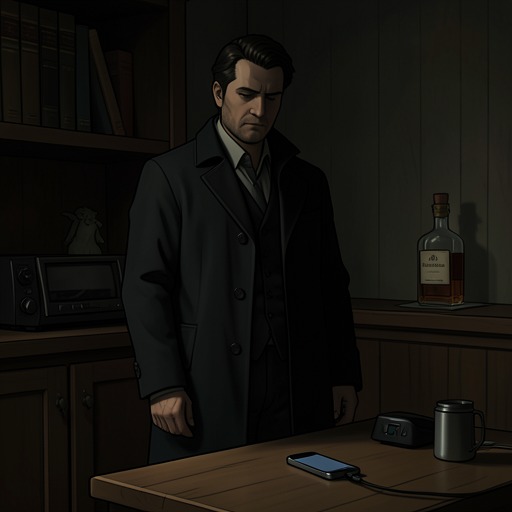
The same institution later becomes the setting for Daniel’s treatment. After a break-up with a glamorous partner, he is reported to have consumed the contents of his 1930s cocktail cabinet in a single weekend. His cleaning lady finds him in a terrible state, and he is admitted to the hospital’s drugs and drink ward. Bridget recognises it as the same hospital where she attended the obesity clinic. The link joins two very different forms of vulnerability without suggesting that their circumstances or treatment are equivalent: one visit concerns Bridget’s attempt to change her body, the other Daniel’s dangerous substance use.
Bridget’s Obesity-Clinic Visit
Bridget approaches the clinic with a mixture of hope and embarrassment. She weighs 174 pounds and discovers that there is doubt about whether she is obese enough to be accepted. The possibility of being turned away prompts an unusual reversal: she finds herself exaggerating her weight to make it higher. In her diary she declares an intention to transform herself into a lean, muscular body, imagining a firm band of muscle holding in her intestines. Almost immediately, though, she reflexively eats the remains of the children’s breakfast. The contrast between an ambitious plan and an automatic habit establishes the difficulty of turning resolve into routine.
Before her first appointment, she imagines being displayed as a cautionary example in a medical news report about an obesity epidemic. The actual clinic unsettles that expectation. She has to repeat the clinic’s name increasingly loudly to the receptionist, then encounters patients whose bodies differ greatly from her own. One very large man is wheeling his fat on a trolley; a woman who is only slightly less large speaks to him flirtatiously. Bridget notices other people looking at her with what she interprets as admiration, assuming they take her for a clinic success story nearing the end of a programme. The confidence this gives her is exhilarating, but she also recognises that enjoying the comparison feels disrespectful to the other patients.
That moment changes how she understands fat. Rather than treating it as a random act of nature, she begins to imagine it as something material and separate, shaped by what is put into the mouth. The clinic’s physical setting and its other patients give an abstract concern a visible form. Its effect on Bridget is not simply to shame or reassure her: it briefly supplies a flattering social position, then makes her examine the uneasy self-confidence that position produces.
Tests, Advice, and the Weight-Loss Programme
Bridget describes the clinic as medically complex, involving blood tests, ECGs, and consultations. There is an awkward moment when staff try to classify her as a geriatric mother, but the appointment otherwise goes smoothly. The clinic’s approach, as she understands it, shifts emphasis away from the number on the scales and towards dress sizes and the proportions of fat and muscle. She records the striking claim that people who are fifty or a hundred pounds overweight may lose as much as twelve pounds of fat in a week, whereas someone seeking to lose a smaller percentage of body weight may lose something other than fat if the change is too rapid.
The advice also complicates the idea that weighing less necessarily means becoming leaner. Bridget understands that a crash diet without weight training can reduce muscle, which is heavier than fat, so the scale may fall while the proportion of fat rises. The practical conclusion is that she is supposed to go to the gym. Her proposed diet consists of protein chocolate puddings and bars, with a small evening portion of protein and vegetables; she tells herself that she must avoid other food. The plan is precise, but its rigidity sits uneasily beside her earlier reflexive eating and the demands of caring for young children.
At the first weekly progress weigh-in, the numbers reveal the gap between the programme and Bridget’s practice. By 24 May she records a weight of 179 pounds, no pounds lost, twenty-eight protein chocolate bars and thirty-seven protein puddings consumed, and an average of 4,798 calories a day. The total is high because she has eaten the products in addition to ordinary meals rather than using them to replace meals. A nurse explains the distinction. Bridget looks sulkily at the chart, then asks whether the nurse will follow her on Twitter. The exchange turns a clinical correction into a small comic collision between prescribed behaviour and her habitual concern with social media.
Daniel’s Admission and Bridget’s Visit
When Bridget hears that Daniel is in hospital, her first reaction is fear and guilt: she has recently let Billy and Mabel stay the night with him. She learns that his addictive tendencies have worsened over the years. Earlier concern from friends had accompanied increasingly outrageous behaviour at dinner parties; glamorous women had tried to fix him, and he had once been sent to a treatment facility in Arizona, returning looking fresh-faced and sheepish. The current relapse follows another break-up and ends with his admission to St Catherine’s Hospital.
Bridget leaves Greenlight to visit him. She finds the hospital visually disorienting, a mixture of Victorian prison, 1960s doctor’s surgery, and Yemen. After wandering until she finds the correct block, she buys Daniel newspapers in the gift shop and a card featuring a duck and a message about staying afloat. She adds an affectionate insult, then writes that she will always love him wherever he goes and whatever he does. The card captures her divided response: she does not want to enable him, but can imagine that everyone else will come to reprimand him, and so offers love alongside concern.
The ward is locked. Bridget presses a green button and waits until a staff member in a burka appears to let her in. She identifies the person she has come to see as Daniel Cleaver; the woman does not seem to recognise the name, which is simply one entry on her clipboard. The ordinary procedure of the locked ward contrasts with Bridget’s intensely personal message. St Catherine’s Hospital can admit Daniel and regulate access to him, but the visit leaves Bridget facing the less orderly question of how to remain attached to someone whose addictive behaviour frightens her.
Narrative Significance
The hospital’s two appearances set medical management beside the imperfect work of personal care. At the obesity clinic, Bridget confronts the difference between a number on a scale, the composition of a body, and the habits that shape it. She also experiences how readily self-image shifts under other people’s imagined judgments: she fears public humiliation before the visit, then briefly mistakes fellow patients’ attention for admiration. The clinic’s measurements and instructions offer a framework, but the diary’s tally of uneaten-as-replacement protein products shows that a framework cannot make adherence automatic.
Daniel’s admission changes the hospital’s emotional register. In Bridget’s earlier visit, the clinical system directs her towards tests, consultations, and exercise; in the later one, locked doors and a green entry button mark the gravity of another person’s crisis. Her card refuses a simple choice between scolding and indulgence. By bringing these encounters into the same institution, the narrative makes St Catherine’s Hospital a recurring point of contact between bodily vulnerability and the relationships formed around it, while preserving the difference between a weight-loss programme and treatment for addiction.